
Training Program Training Program Training Program
Specialized Training
- Home
- Specialized Training
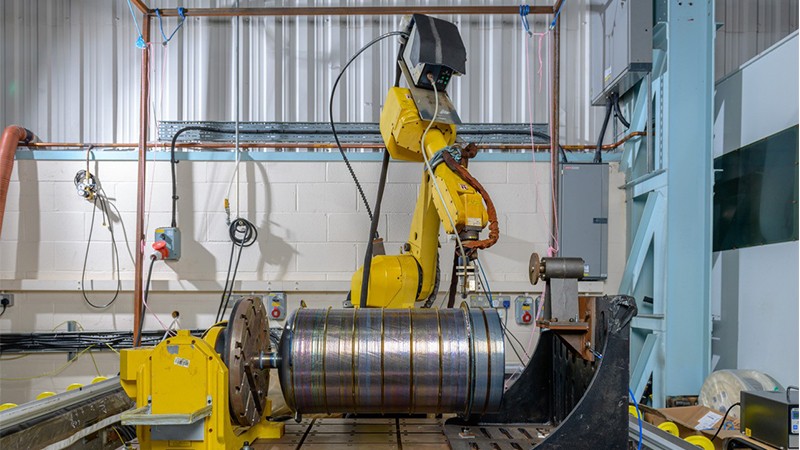
ADDITIVE MANUFACTURING
Additive Manufacturing training provides an overview of modern 3D printing and additive techniques applied to metals and engineering components. Participants will learn how additive manufacturing is transforming design, fabrication, and repair
Topics that will covered include:
- Principles and processes of additive manufacturing
- Materials for additive manufacturing
- Design considerations and benefits
- Quality assurance and testing challenges
- Applications in pressure equipment and aerospace
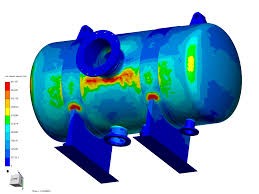
FINITE ELEMENT ANALYSIS (PART 5 ASME VIII DIV.2)
Finite Element Analysis (FEA) – ASME VIII Division 2: Design by Analysis training introduces participants to numerical methods for stress and fatigue analysis of pressure vessels. The course emphasizes how FEA is applied to meet Division 2 requirements.
Topics that will covered include:
- Fundamentals of FEA for pressure equipment
- Elastic stress analysis and plastic collapse
- Local failure and fatigue assessment
- Buckling and creep considerations
- Practical examples of Division 2 Design by Analysis
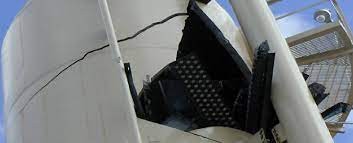
FRACTURE MECHANICS
Fracture Mechanics training introduces participants to the principles of crack initiation, crack growth, and fracture behavior of materials. The course emphasizes applications in fitness-for-service and structural integrity assessment.
Topics that will covered include:
- Fundamentals of fracture mechanics
- Stress intensity factors and crack-tip behavior
- Brittle and ductile fracture
- Fatigue crack growth analysis
- Application in FFS and pressure equipment design
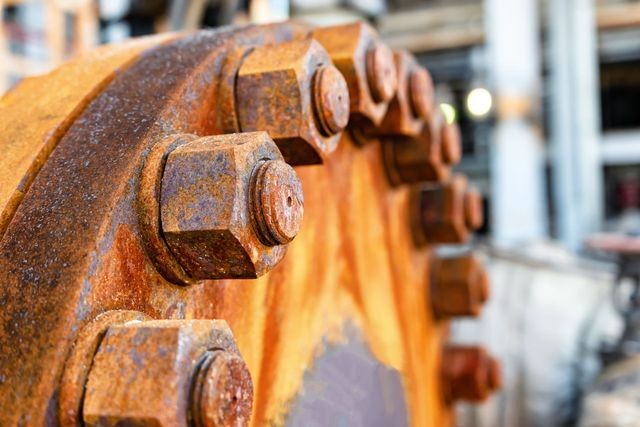
MATERIALS & CORROSION
Material & Corrosion training provides participants with fundamental knowledge of materials used in pressure equipment and piping, and how they interact with corrosive environments. The course emphasizes corrosion mechanisms, prevention, and mitigation strategies.
Topics that will covered include:
- Material properties and selection
- Common corrosion mechanisms (uniform, galvanic, pitting, crevice, SCC, etc.)
- Corrosion testing and monitoring
- Coatings, inhibitors, and cathodic protection
- Case studies of corrosion failures
METALS FAILURE ANALYSIS
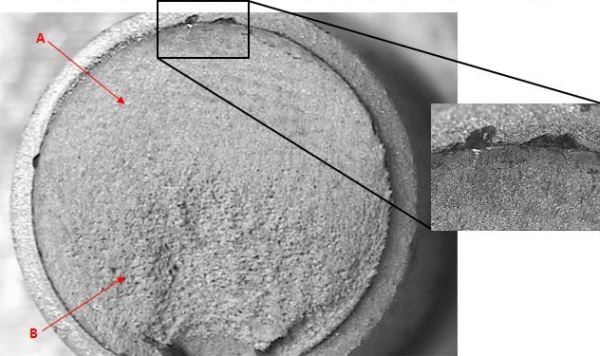
Metal Failure Analysis training provides methods for investigating failures in pressure equipment, piping, and components. Participants will learn how to identify root causes and prevent recurrence.
Topics that will covered include:
- Failure investigation methodology
- Fractography and visual examination
- Common failure mechanisms (fatigue, brittle fracture, creep, corrosion-related failures)
- Laboratory testing and analysis techniques
- Case studies of real failures
METALLURGY
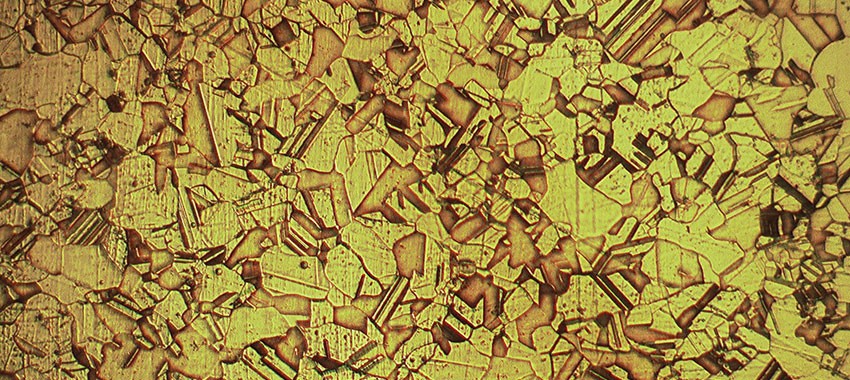
Metallurgy training introduces participants to the fundamentals of metals and alloys, their properties, and their behavior under service conditions. The course bridges the gap between material science and engineering applications.
Topics that will covered include:
- Structure and properties of metals
- Heat treatment and its effects
- Mechanical behavior of metals
- Welding metallurgy basics
- Metallurgical issues in service
PRESSURE RELIEF DEVICES INSPECTION & MAINTENANCE
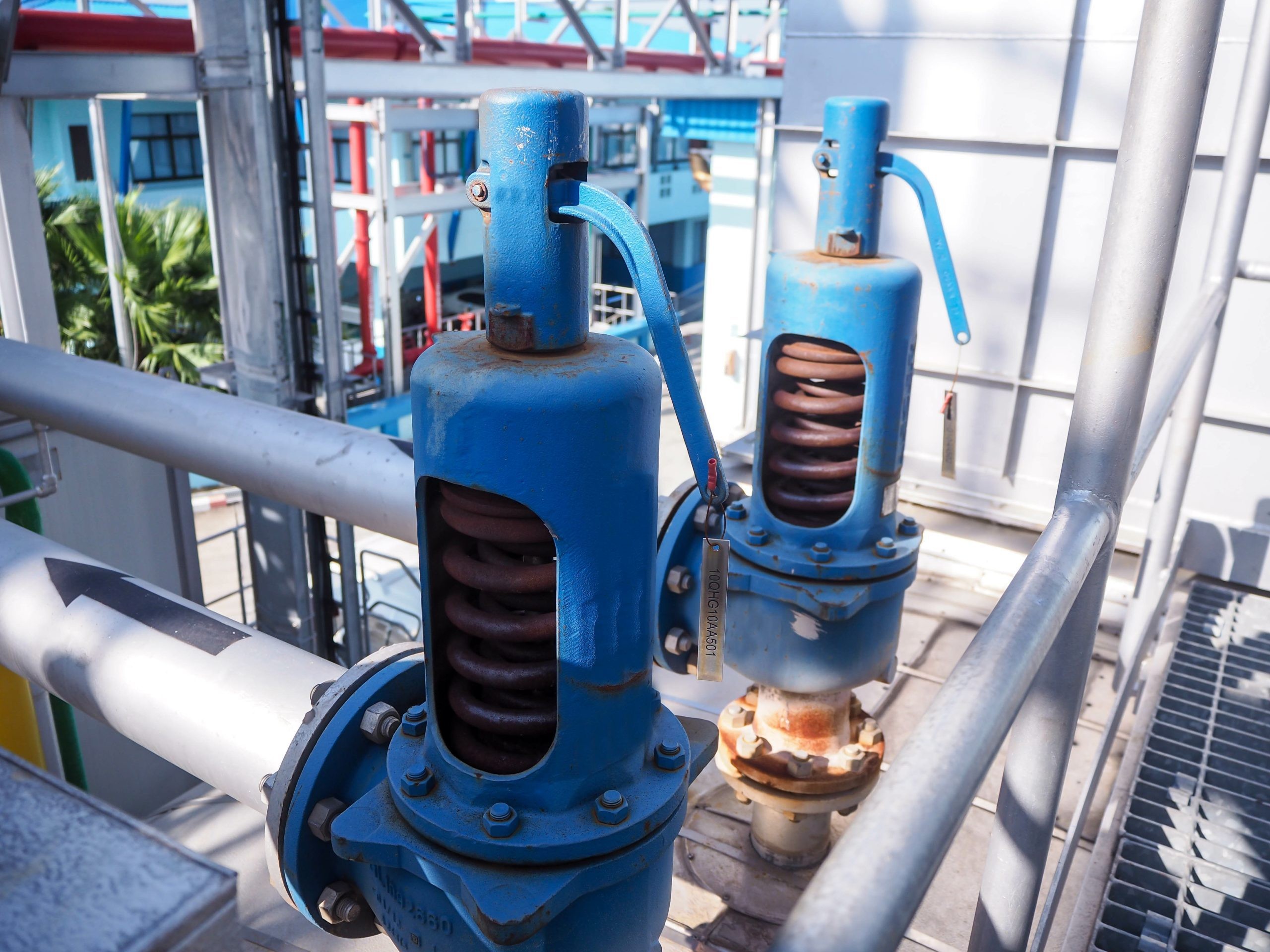
Pressure Relief Devices (PRD) Inspection & Maintenance training provides practical knowledge of pressure relief device design, operation, inspection, and maintenance requirements to ensure safety and compliance.
Topics that will covered include:
- Fundamentals of PRV design and operation
- Inspection, testing, and maintenance requirements
- Common failure modes and troubleshooting
- Regulatory and code requirements (ASME, API)
- Documentation and certification
WELDING TECHNOLOGY
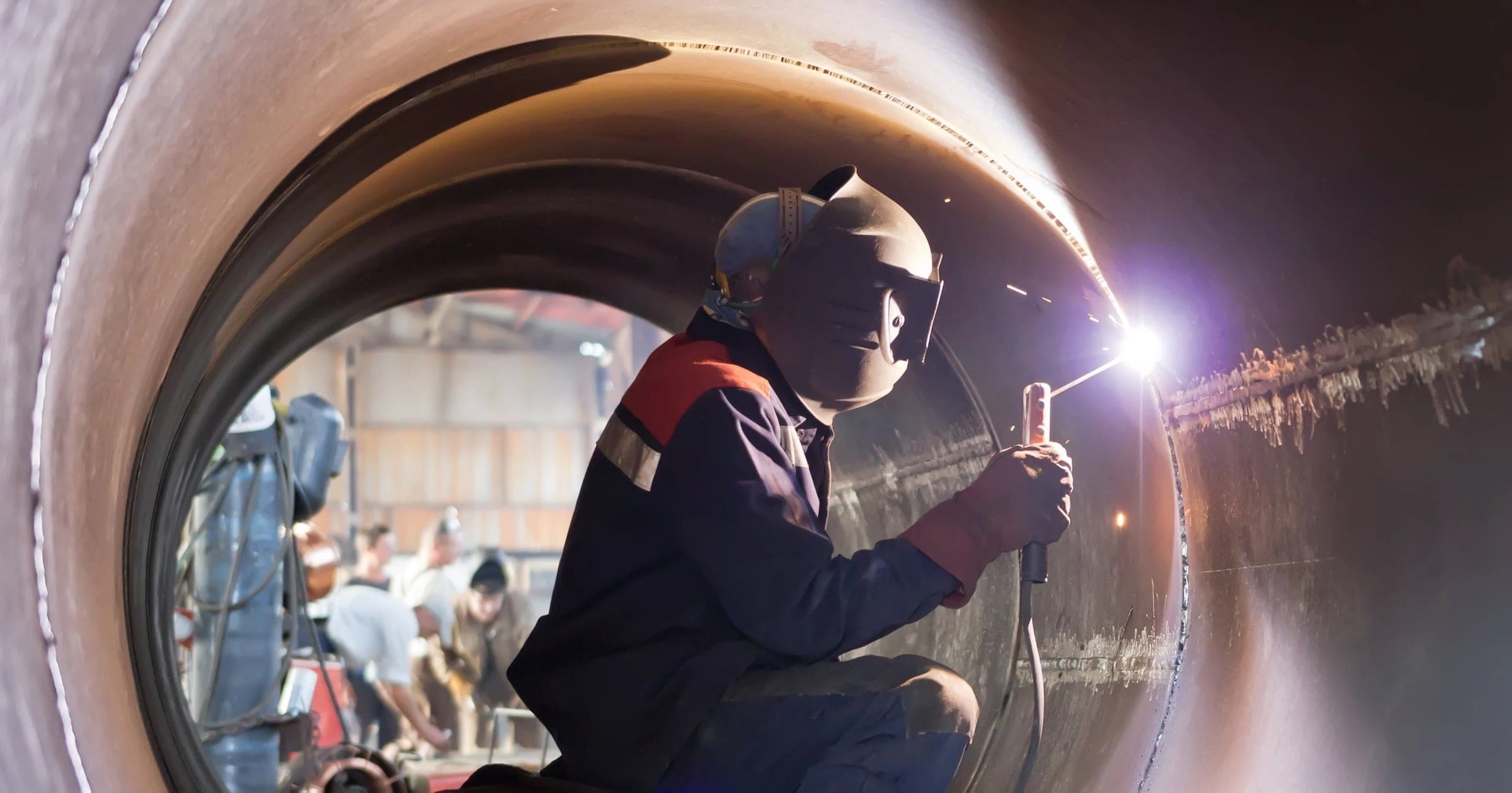
Welding Technology training provides a broad overview of welding processes, techniques, and quality assurance practices used in industry. Participants will gain practical knowledge applicable to fabrication, inspection, and maintenance.
Topics that will covered include:
- Welding processes and applications (SMAW, GTAW, GMAW, SAW, etc.)
- Welding metallurgy basics
- Welding consumables
- Welding procedure and welder qualification
- Welding defects and inspection methods